Skip to content
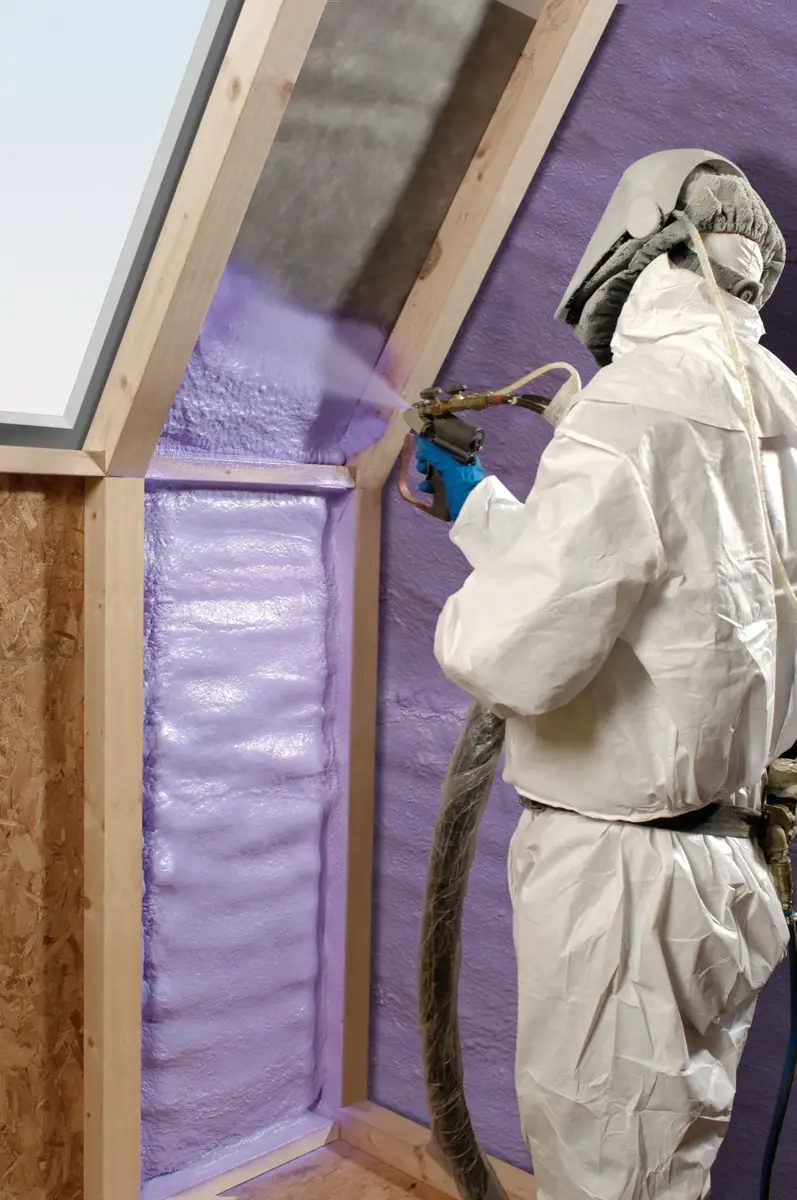
Applying spray foam across roof framing and walls

Home Inspection Findings

Attic Insulation and Air Sealing After Your Home Inspection

Your Denver home inspection report may highlight attic insulation or air sealing concerns. These issues can affect your home's comfort and energy efficiency.

Addressing these findings promptly with the right insulation solutions can prevent future problems and ensure your attic performs as it should.

What to Do About Attic Inspection Notes

When a home inspection in Denver flags attic insulation or air sealing, it means there are potential gaps or insufficient material. These can lead to energy loss and comfort problems. Verify the inspector's findings, especially around the rim joists and attic floor. Spray foam insulation offers a comprehensive solution by sealing these leaks and providing a high R-value, ensuring better thermal performance and indoor air quality for your home.

Understanding Inspection Findings

Home inspectors in Denver often look for specific issues in attics. These can include inadequate insulation levels, gaps in insulation, or visible air leaks around plumbing, electrical penetrations, and the attic floor perimeter. These findings are crucial because they directly impact how well your home retains heat in winter and stays cool in summer, affecting your energy bills and overall comfort.

Common Attic Air Leakage Points

The Front Range's temperature swings mean air leaks in attics are a major concern. Common culprits include the attic floor edges, where it meets the walls (rim joists), around recessed lighting fixtures, plumbing stacks, and electrical wiring. Unsealed gaps allow conditioned air to escape and unconditioned air to enter, creating drafts and reducing the effectiveness of your existing insulation.

Choosing the Right Insulation Solution

For attic insulation and air sealing identified in an inspection, spray foam is an excellent choice. It expands to fill every crevice, creating an airtight barrier. This not only improves thermal performance but also helps prevent moisture issues. Before work begins, ensure any necessary repairs to the roof or ventilation are completed, and confirm that the attic is free of pests or signs of damp materials.

Next Steps After Inspection

After reviewing your home inspection report, it's wise to consult with an insulation professional. They can assess the specific recommendations and provide a plan to address them. For attics, ensuring proper ventilation is maintained alongside air sealing is key. You may also want to verify that any electrical or plumbing work related to penetrations is up to code before insulation is installed.

Addressing Attic Inspection Findings

  • Review the specific attic-related comments in your inspection report.
  • Identify areas of concern like rim joists and penetrations.
  • Verify if existing insulation meets current R-value recommendations.
  • Confirm attic ventilation is adequate and not blocked.
  • Check for any signs of leaks or pest infestation.
  • Consult with an insulation specialist for repair options.
  • Ensure all necessary permits are obtained, if required.

More About Attic Insulation

Learn more about how proper attic insulation and air sealing can benefit your Denver home, especially after a recent inspection.

Questions About Attic Insulation After Inspection

What does 'air sealing' mean for an attic?

Air sealing means blocking pathways where air can move in or out of your attic. This is crucial for preventing energy loss and improving comfort in Denver homes.

Can spray foam fix attic insulation issues?

Yes, spray foam insulation effectively seals leaks and provides a high R-value, addressing common attic problems identified in inspections.

Do I need a permit for attic insulation?

Permit requirements vary. It's best to verify with your local Denver building department before starting any insulation work.

How does attic insulation affect home value?

Proper attic insulation improves energy efficiency and comfort, making a home more attractive and potentially increasing its value.

Call Now (983) 213-6957