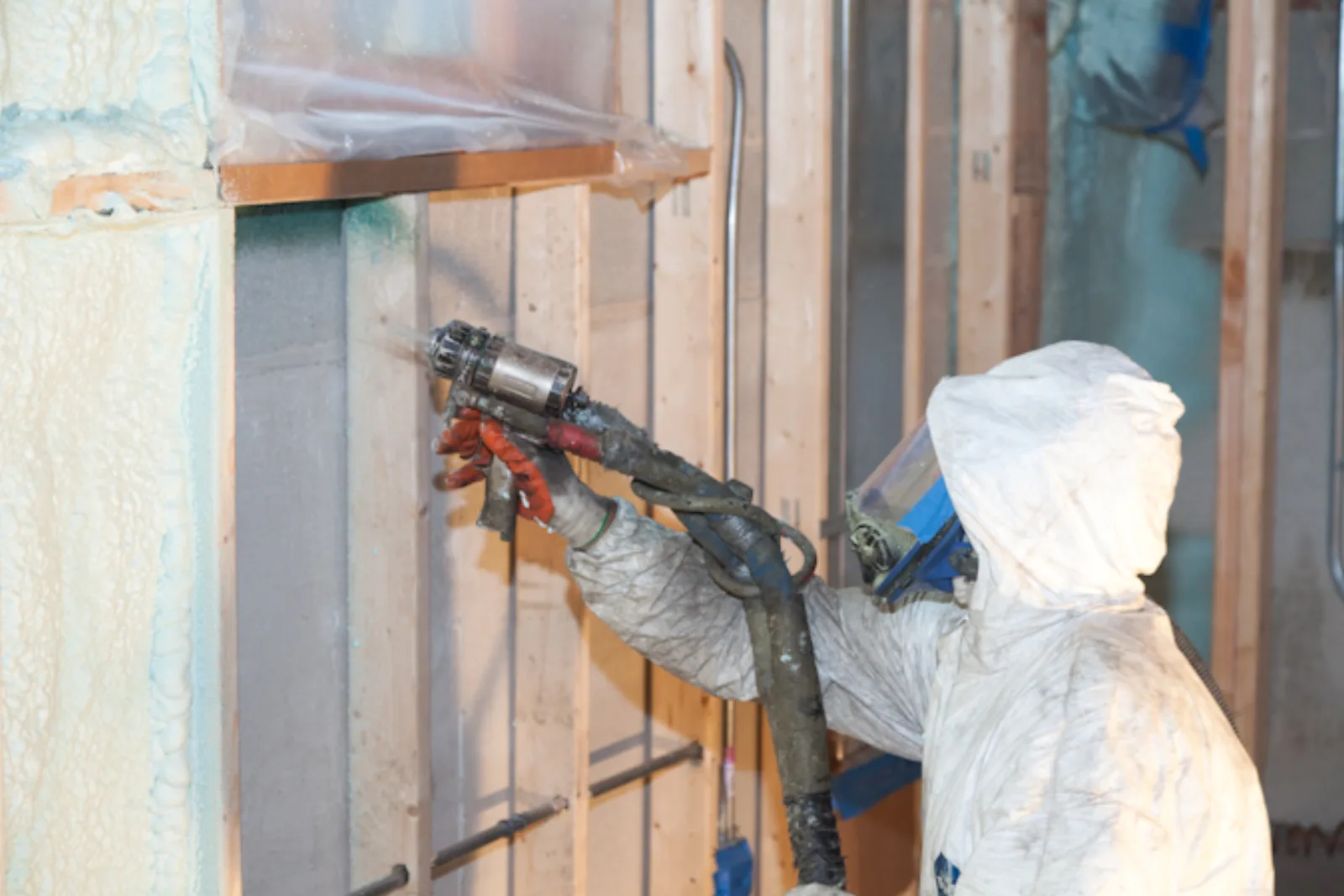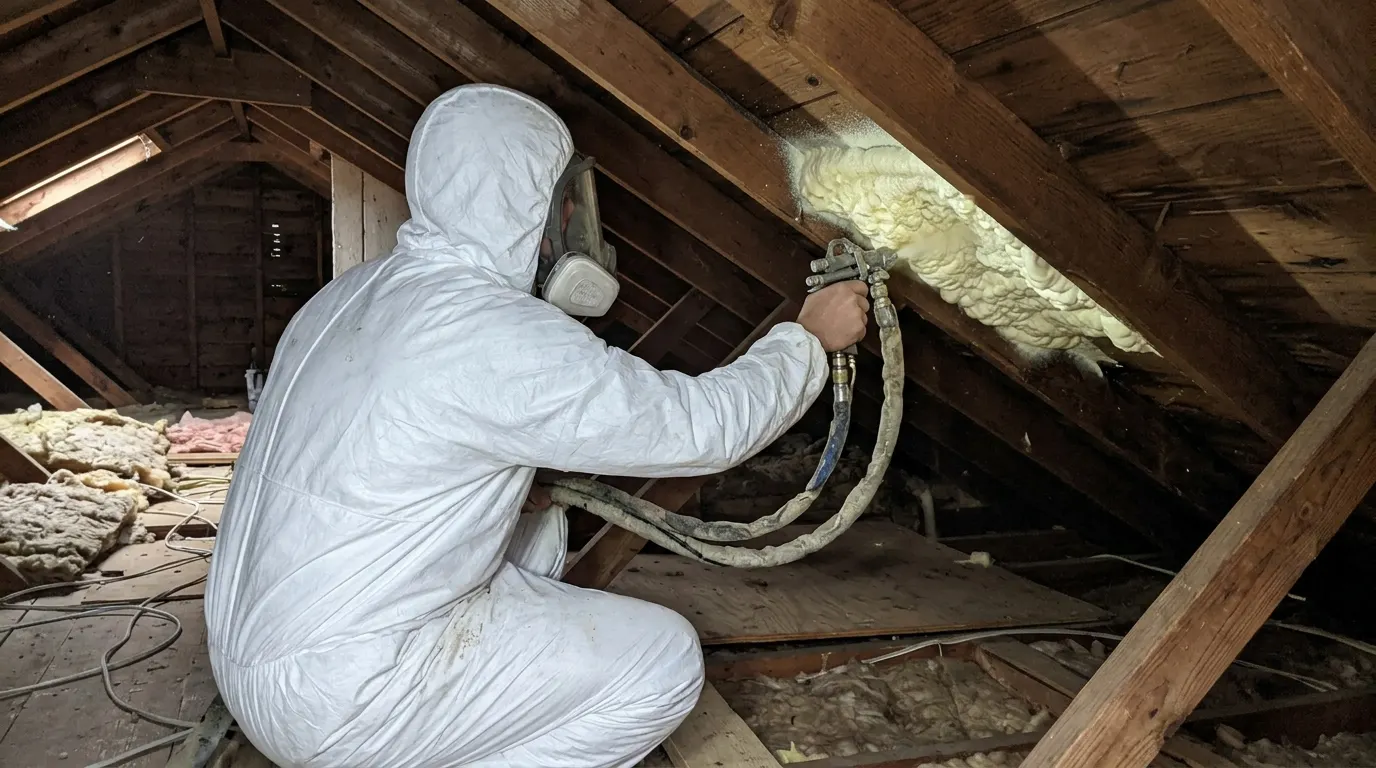
Attic foam at altitude serves heating season first: sealing and insulating the lid to cold-climate R targets, killing the warm-air leaks that write Denver's gas bills and build its ice dams.
Reasons to schedule this service
This service may be the right fit when one of these situations sounds familiar:
- upper rooms are uncomfortable
- ductwork runs through a hot or cold attic
- dust or air leakage appears around ceiling penetrations
What matters for Denver properties
The attic is where a mile-high winter attacks: R-49-plus targets, air sealing before depth, and rooflines converted where cathedral ceilings or ducts demand it. Ice dams retire when the attic stops leaking heat.
What affects the estimate
- ventilation strategy
- ignition barrier needs
- roof deck condition
- duct layout
- prep needs
How the work usually goes
An attic project runs:
- Building Inspection: Review comfort problems, air leaks, moisture concerns, and the area that needs insulation.
- Foam Type And Prep Plan: Compare foam type, thickness, ventilation, ignition barrier, and code-related details.
- Prep And Masking: Protect nearby surfaces and prepare the attic, crawl space, garage, or building.
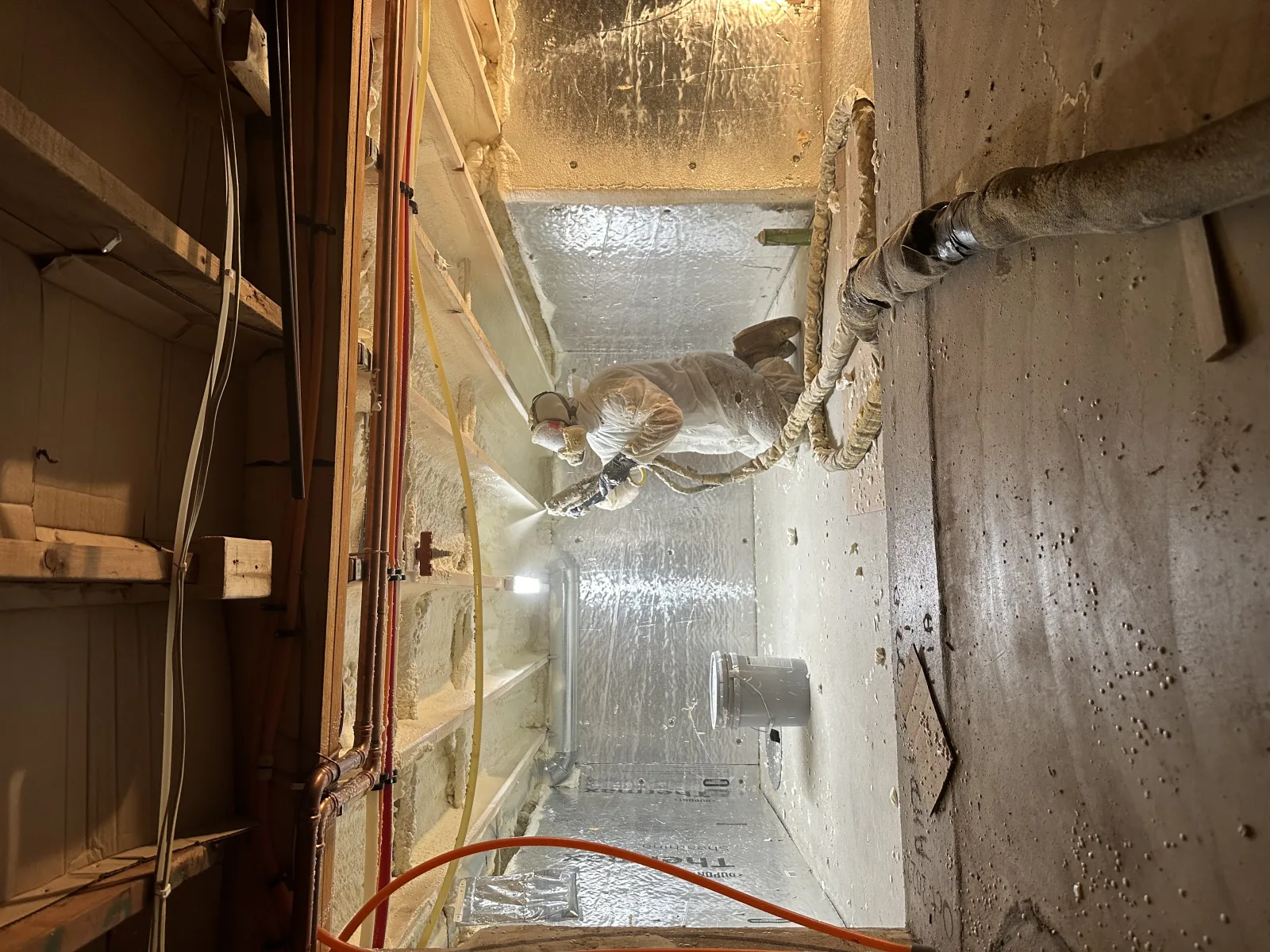
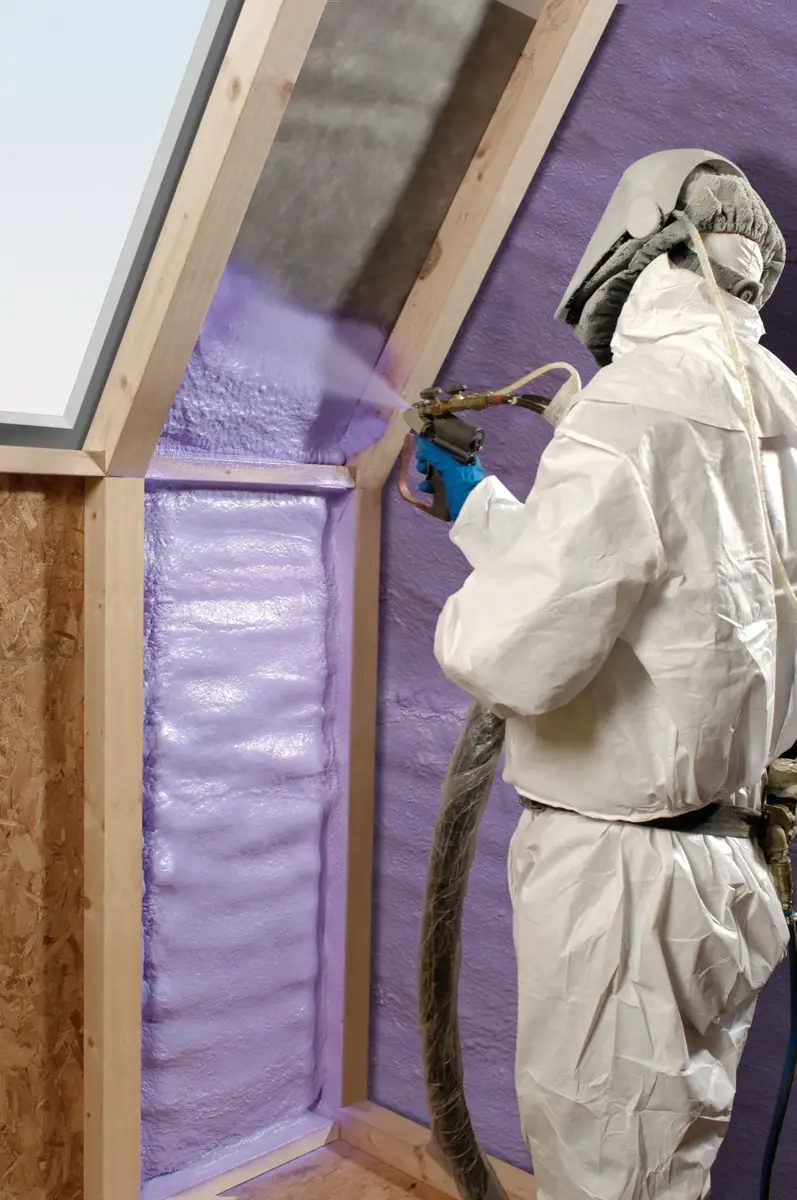
- Foam Install: Install foam in the agreed areas and trim where needed for a clean result.
- Trim, Cleanup, And Ventilation Review: Review cleanup, ventilation, and the next steps before the space goes back into use.