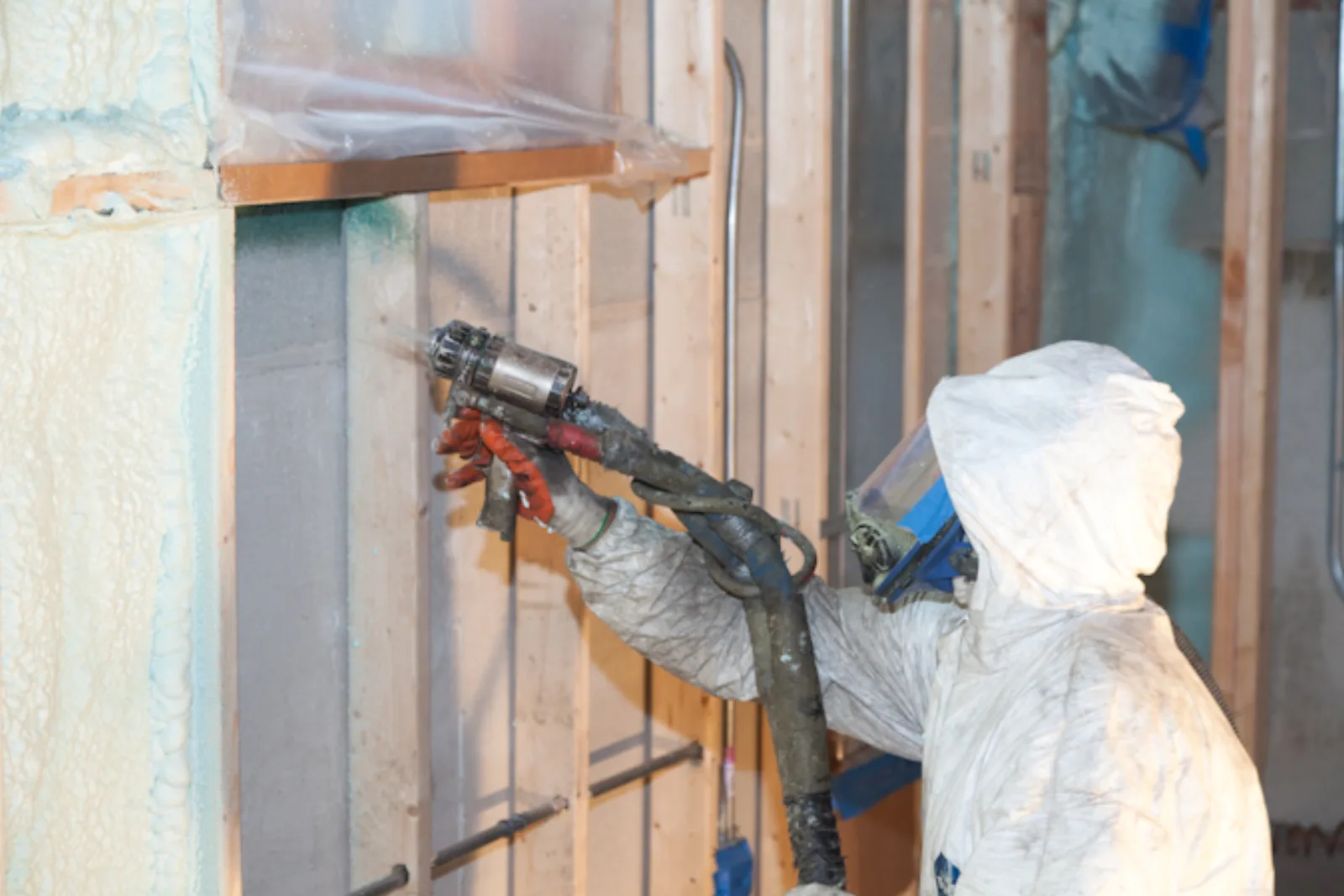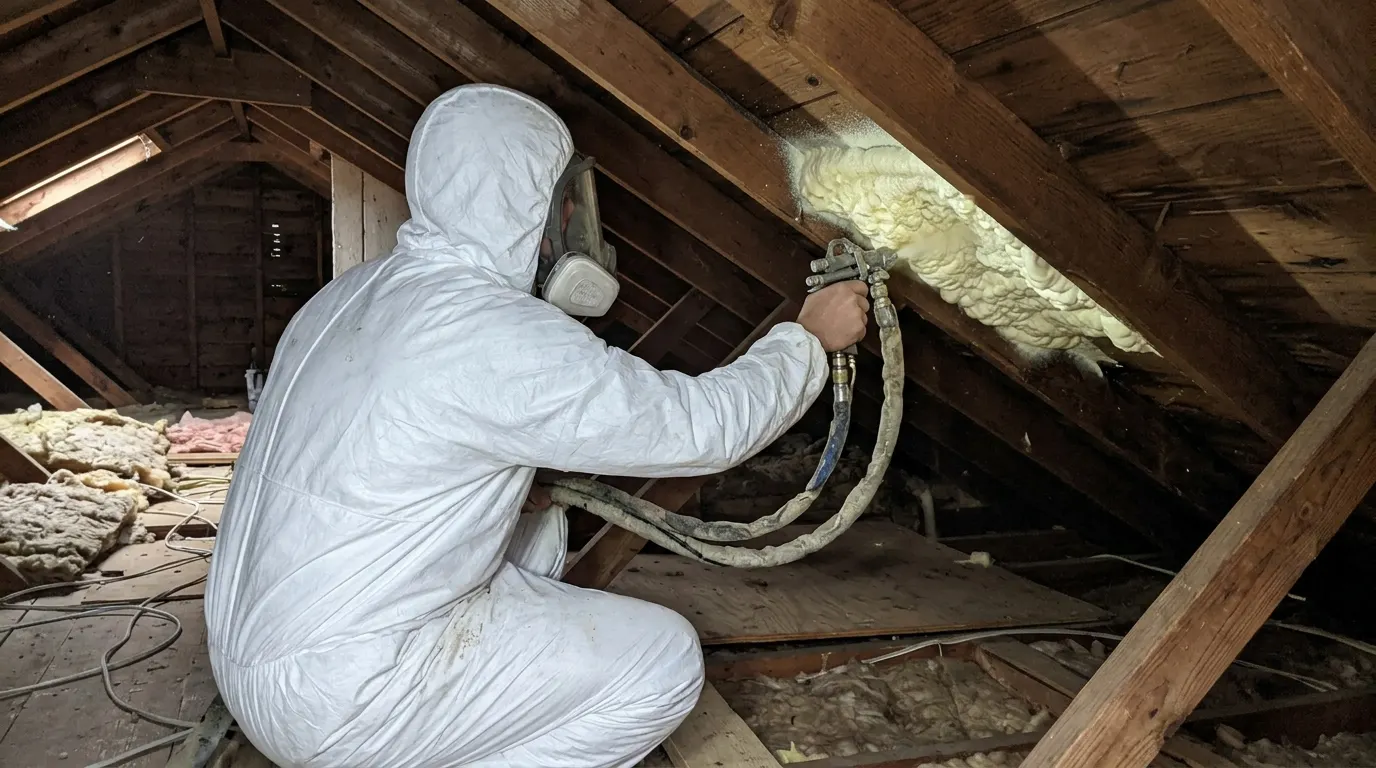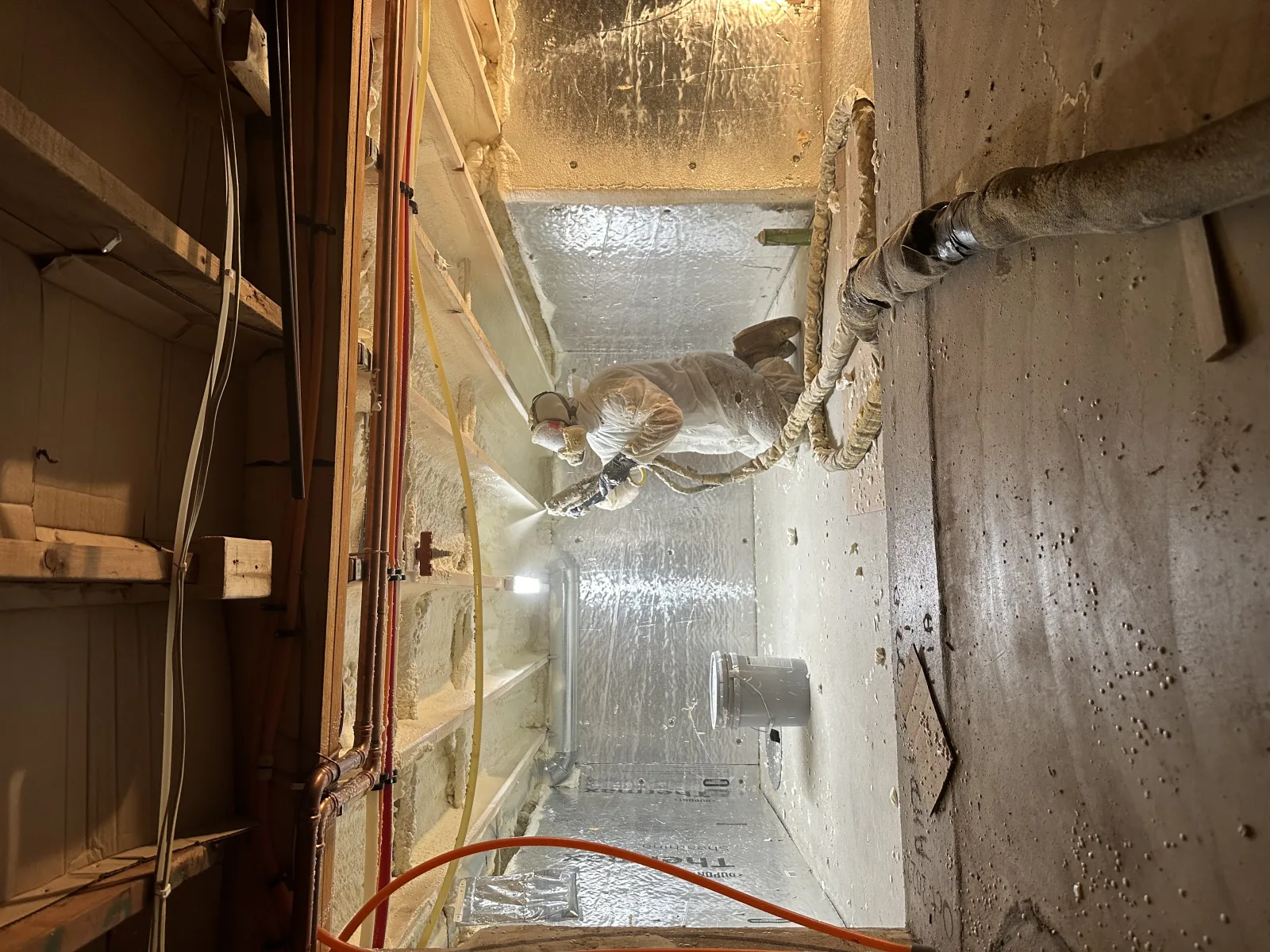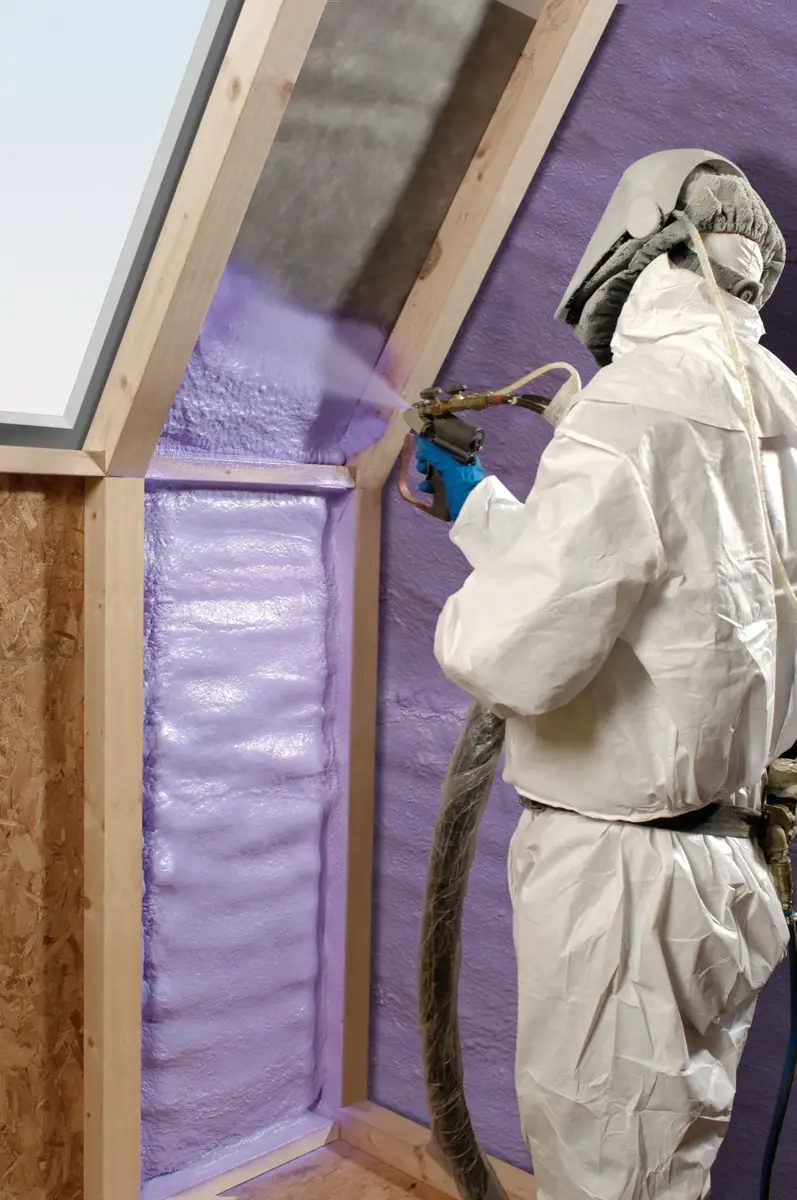
The foam choice, Denver edition: closed-cell for rims, basements, cathedral assemblies, and metal; open-cell for deep attic volume. Cold-climate targets set the depths; the bid sets them in writing.
Reasons to schedule this service
This service may be the right fit when one of these situations sounds familiar:
- the project needs help choosing foam type
- moisture and vapor control matter
- sound, budget, or thickness goals are unclear
What matters for Denver properties
Winter vapor drive and shallow assemblies push more closed-cell here than in mild climates, but the mixed spec still wins most houses. Type, inches, and R per zone — that is the comparison that matters.
What affects the estimate
- assembly type
- code requirements
- vapor behavior
- thickness
- fire/thermal barrier details
How the work usually goes
The spec process runs:
- Building Inspection: Review comfort problems, air leaks, moisture concerns, and the area that needs insulation.
- Foam Type And Prep Plan: Compare foam type, thickness, ventilation, ignition barrier, and code-related details.
- Prep And Masking: Protect nearby surfaces and prepare the attic, crawl space, garage, or building.
- Foam Install: Install foam in the agreed areas and trim where needed for a clean result.
- Trim, Cleanup, And Ventilation Review: Review cleanup, ventilation, and the next steps before the space goes back into use.