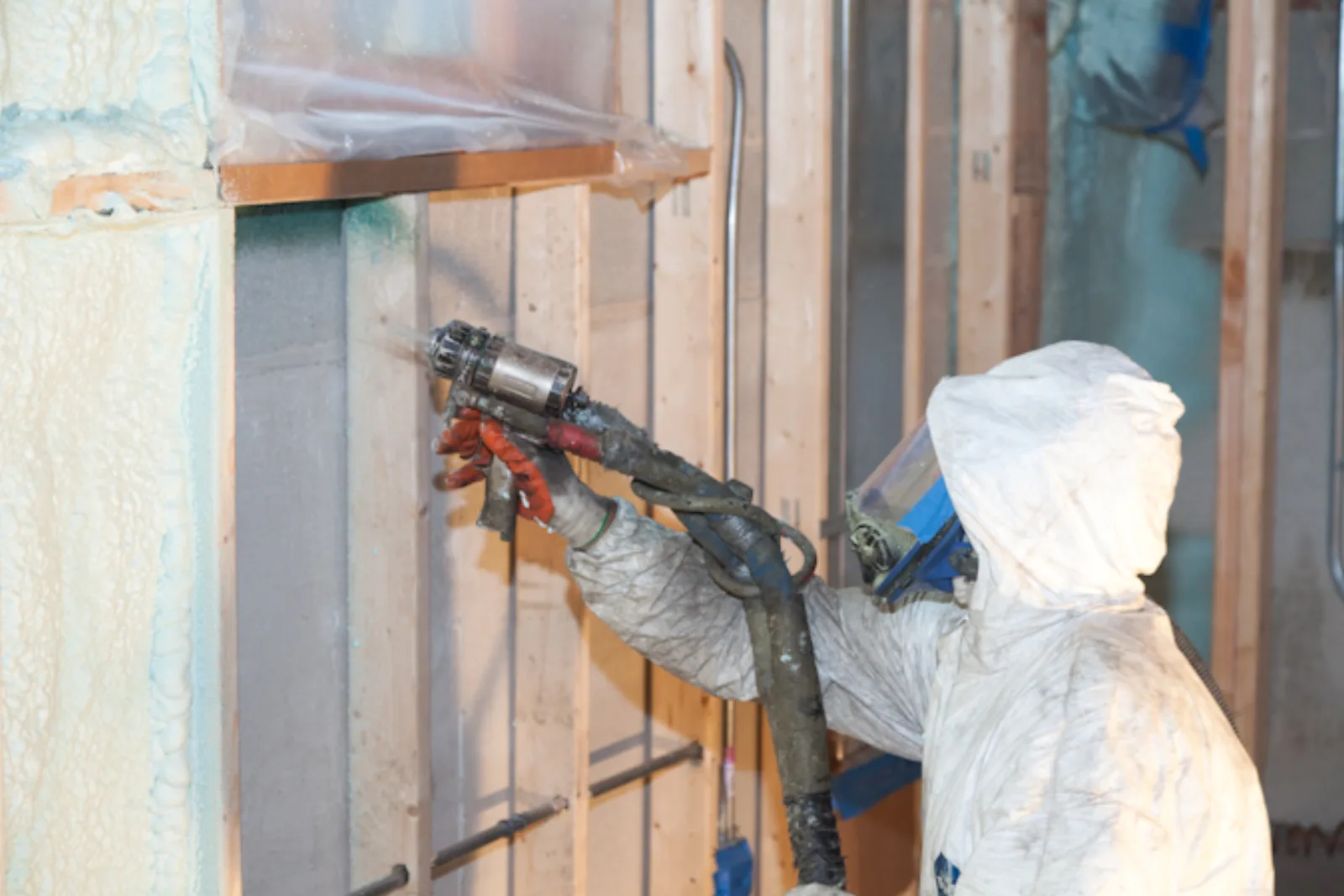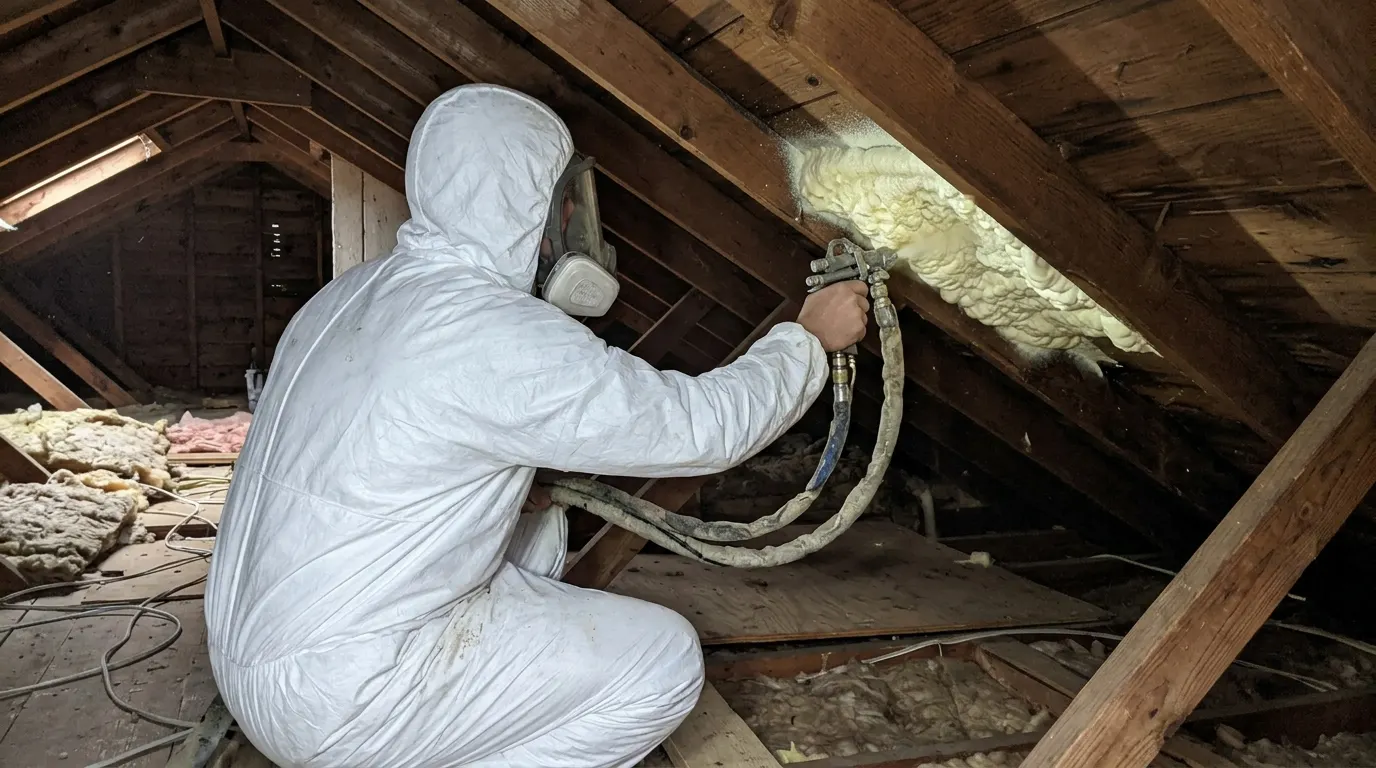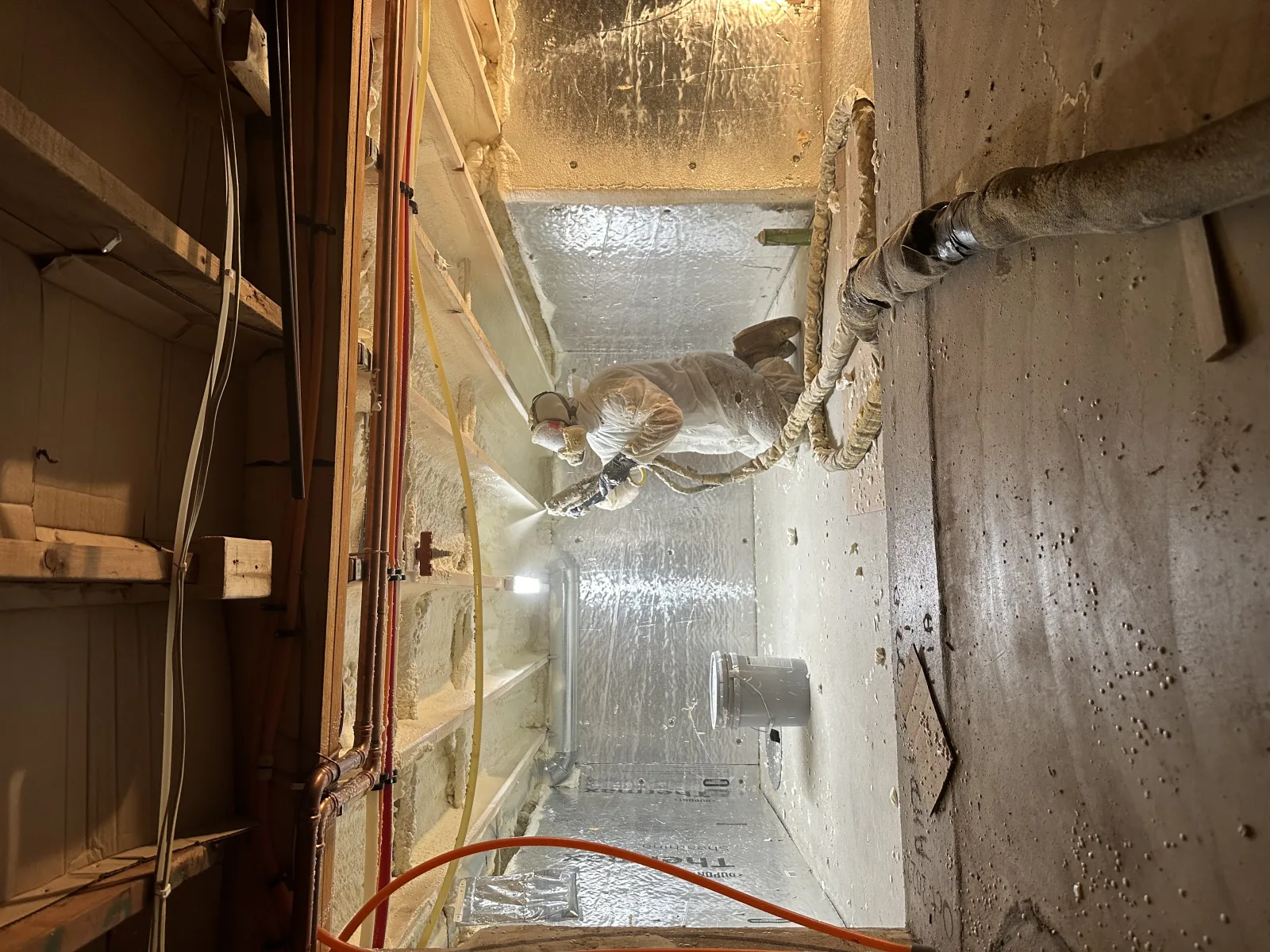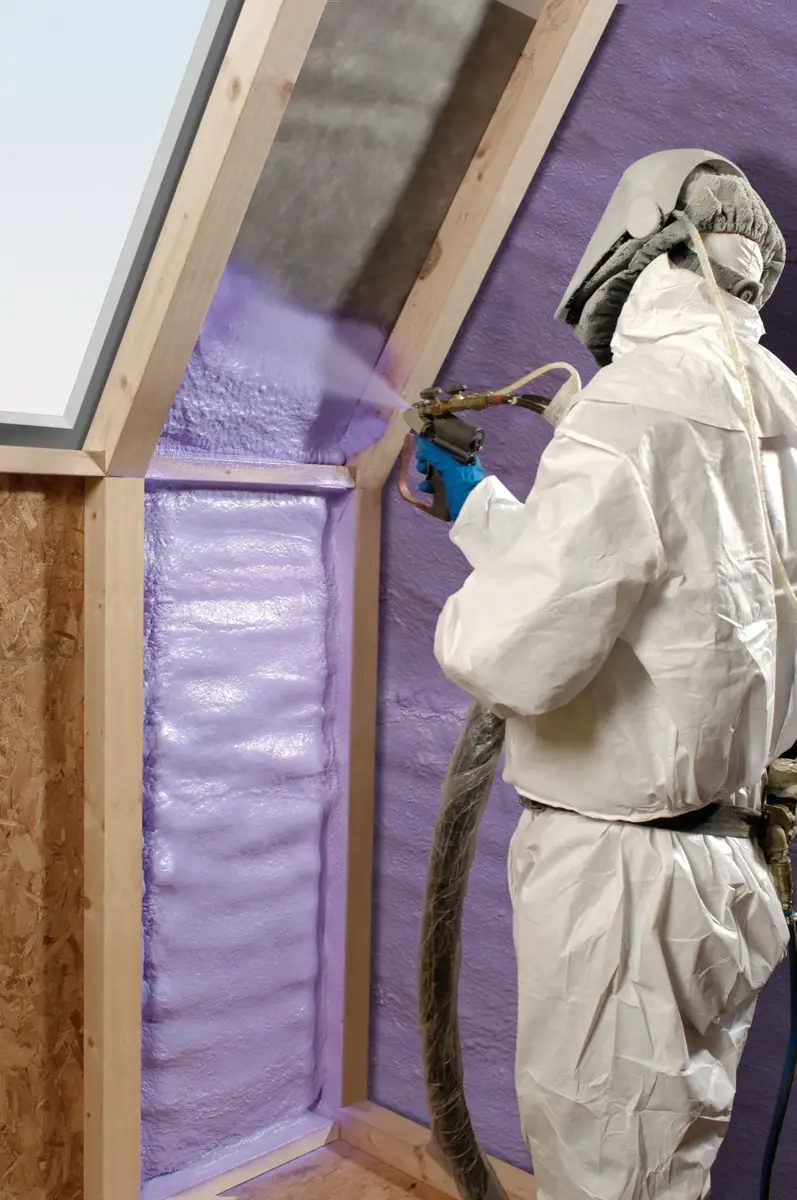
Air sealing closes the stack-effect leaks — top plates, cans, flues, chases — that a Colorado winter pulls warm air through day and night. It is the cheapest therm saved in the whole trade.
Reasons to schedule this service
This service may be the right fit when one of these situations sounds familiar:
- dust returns quickly after cleaning
- rooms have strong temperature swings
- recessed lights, chases, and penetrations leak air
What matters for Denver properties
Denver's dry cold makes leakage expensive and obvious: drafts you can feel, frost where it shouldn't be. Blower-door numbers before and after keep the work honest, and combustion safety gets checked as houses tighten.
What affects the estimate
- leak locations
- blower-door testing if available
- insulation condition
- ventilation balance
- attic and crawl openings
How the work usually goes
Sealing proceeds:
- Building Inspection: Review comfort problems, air leaks, moisture concerns, and the area that needs insulation.
- Foam Type And Prep Plan: Compare foam type, thickness, ventilation, ignition barrier, and code-related details.
- Prep And Masking: Protect nearby surfaces and prepare the attic, crawl space, garage, or building.
- Foam Install: Install foam in the agreed areas and trim where needed for a clean result.
- Trim, Cleanup, And Ventilation Review: Review cleanup, ventilation, and the next steps before the space goes back into use.