Denver houses confess their insulation sins in January: rooms that will not hold heat, furnaces that never rest, icicles architecture never intended. Summer adds its own tells — upstairs ovens on ninety-degree days. All of it maps to the envelope, and the map reads quickly.
The Colorado symptom list
Uneven room temps, ice dams and giant icicles, frost on the inside of sheathing or nails in the attic, bills climbing faster than rates, and AC losing the afternoon upstairs. Each implicates air leakage, attic depth, or duct placement — usually in combination.
What the evaluation delivers
Blower-door numbers, thermal imaging of the actual leak paths, attic depth and coverage assessment, rim joist inspection, and combustion-safety awareness when the house tightens. The output is a ranked fix list with expected R and air-sealing results, not a foam pitch.
DIY territory and its border
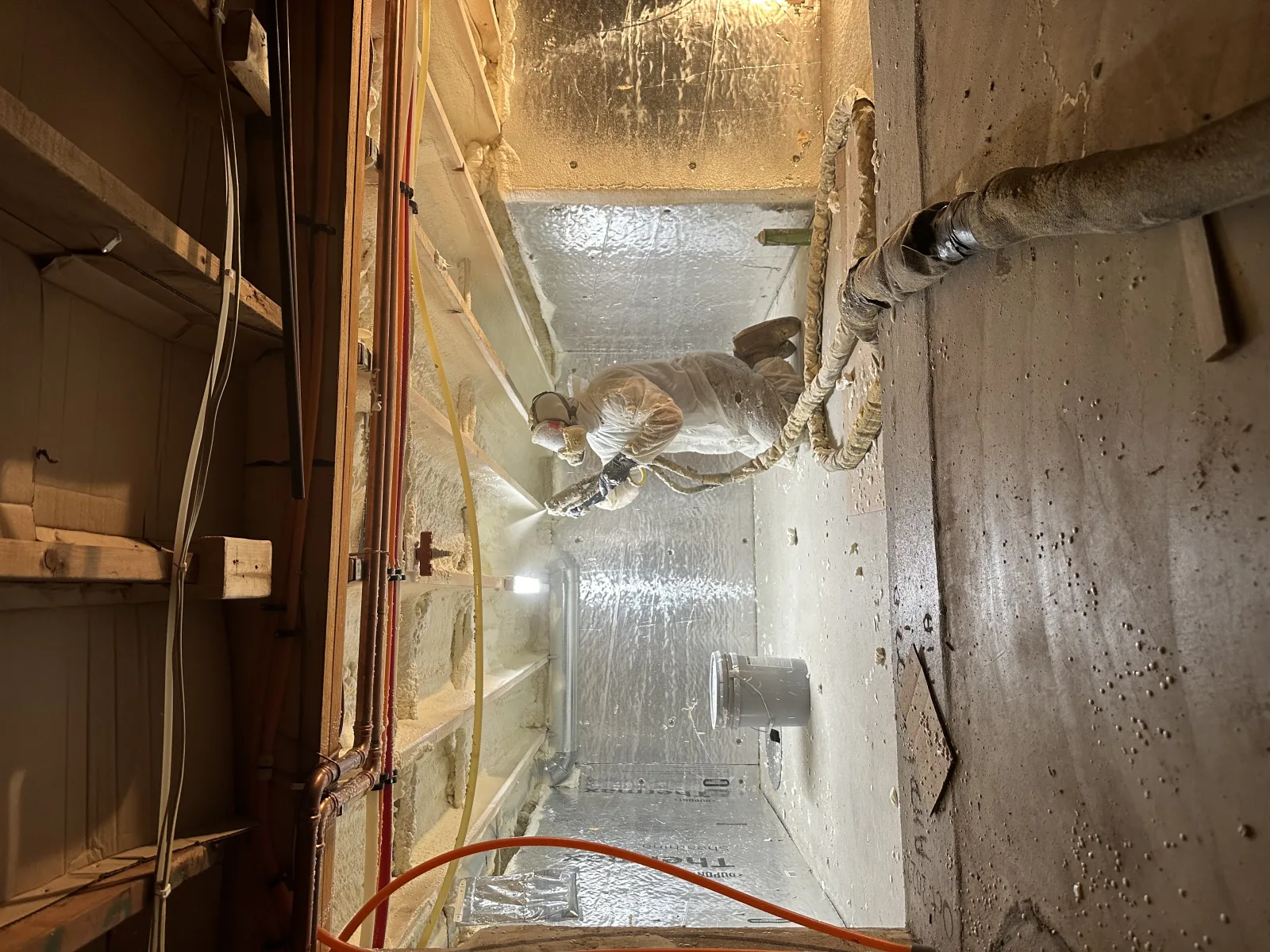
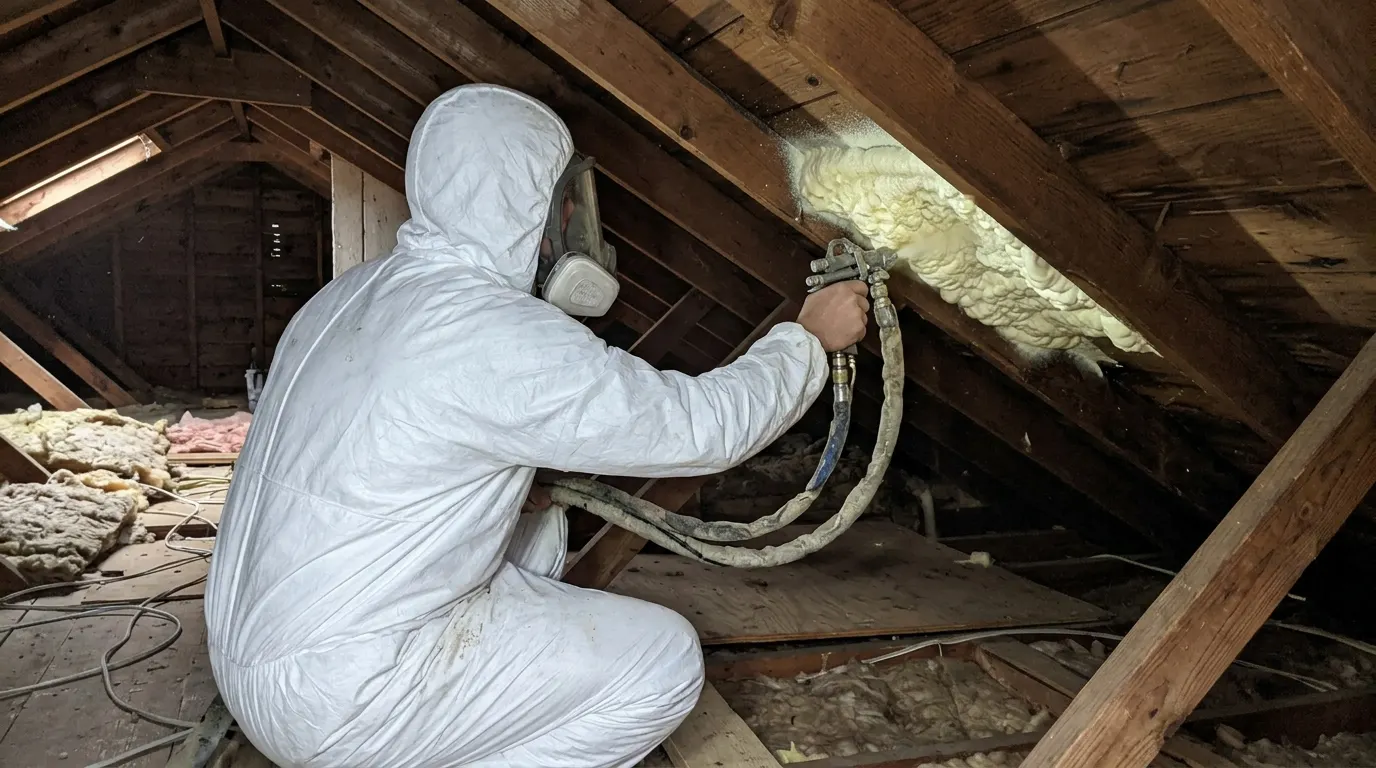
Weatherstripping, attic hatch insulation, and topping accessible blown-in are homeowner wins. The border sits at two-component foam, roofline conversions, and anything touching ventilation or knob-and-tube — chemistry, code, and combustion make those professional calls.
When to book
Fall books solid in Denver; the smart evaluation happens in late summer, with fixes installed before the heating season proves them. Ice-dam sufferers: the correct season to fix the attic is any season before the next snow — heat cable is a bandage, not the plan.
Booking it right at altitude
Late summer is Denver's smart evaluation window — the fall rush books solid and winter proves everything. Bring bills, note the icicle spots, and let the blower door do the arguing.
One safety note that matters here: tightening a gas-appliance house is a job for crews that test combustion safety after. Ask; the good ones already planned to.